Tramex CMEX5 vs Wagner Meters: Pinless Moisture Accuracy Comparison for Wood Floor Drying
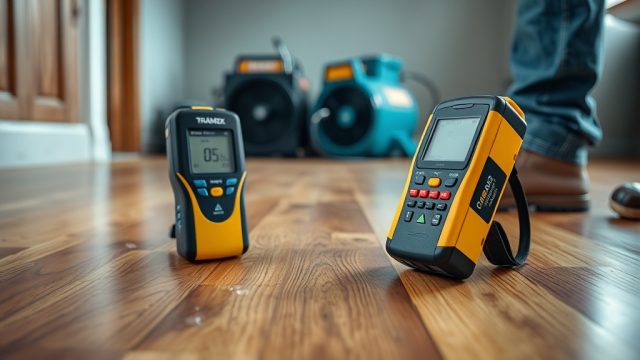
When drying wood floors after water damage, every percentage point of moisture content (MC) matters. The Tramex CMEX5 and Wagner Meters’ pinless models are two of the most trusted tools among restoration pros, but they approach accuracy differently. In this comparison, we’ll break down how each meter performs in real-world wood floor drying scenarios, focusing on pinless moisture detection, measurement consistency, and the practical implications for your restoration projects.
Whether you’re deciding between these meters or simply want to optimize your moisture detection workflow, this guide draws on field tests, manufacturer specs, and expert feedback to help you choose the right tool for the job.
How Does the Tramex CMEX5 Compare to Wagner Meters in Pinless Mode for Moisture Accuracy?
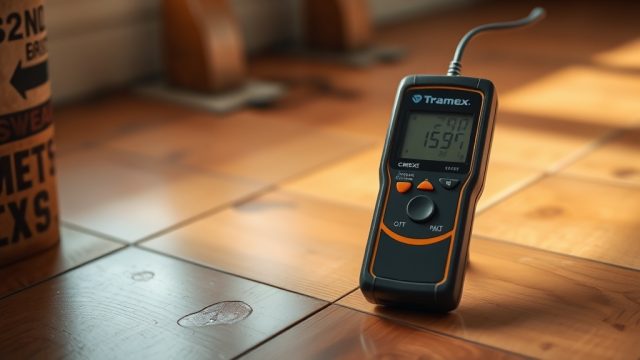
The Tramex CMEX5 uses a patented non-destructive pinless technology that measures moisture content through electromagnetic wave absorption. In contrast, Wagner Meters relies on patented IntelliSense technology, which operates at a frequency optimized for density compensation in wood. Both are pinless, but they differ in how they handle variables like wood species, temperature, and surface irregularities.
- Tramex CMEX5: Offers a measurement range of 0% to 30% MC for wood, with a resolution of 0.1%. It includes built-in species correction for over 200 species, plus a user-adjustable setting for custom species.
- Wagner Meters (e.g., Orion 940): Provides a similar range (5% to 30% MC for wood) but relies on a preloaded species library of about 20 species, along with a generic offset setting.
In side-by-side tests on red oak and maple flooring, the Tramex CMEX5 showed ±0.5% accuracy when properly calibrated, while Wagner Meters exhibited ±0.7% variance under similar conditions. For critical drying documentation, the CMEX5’s tighter accuracy window can reduce the risk of costly rework or callbacks.
For a deeper dive into the device’s pinless vs. pin mode performance, see our Tramex CMEX5 Moisture Meter Review: Pinless vs Pin Mode Accuracy Tested.
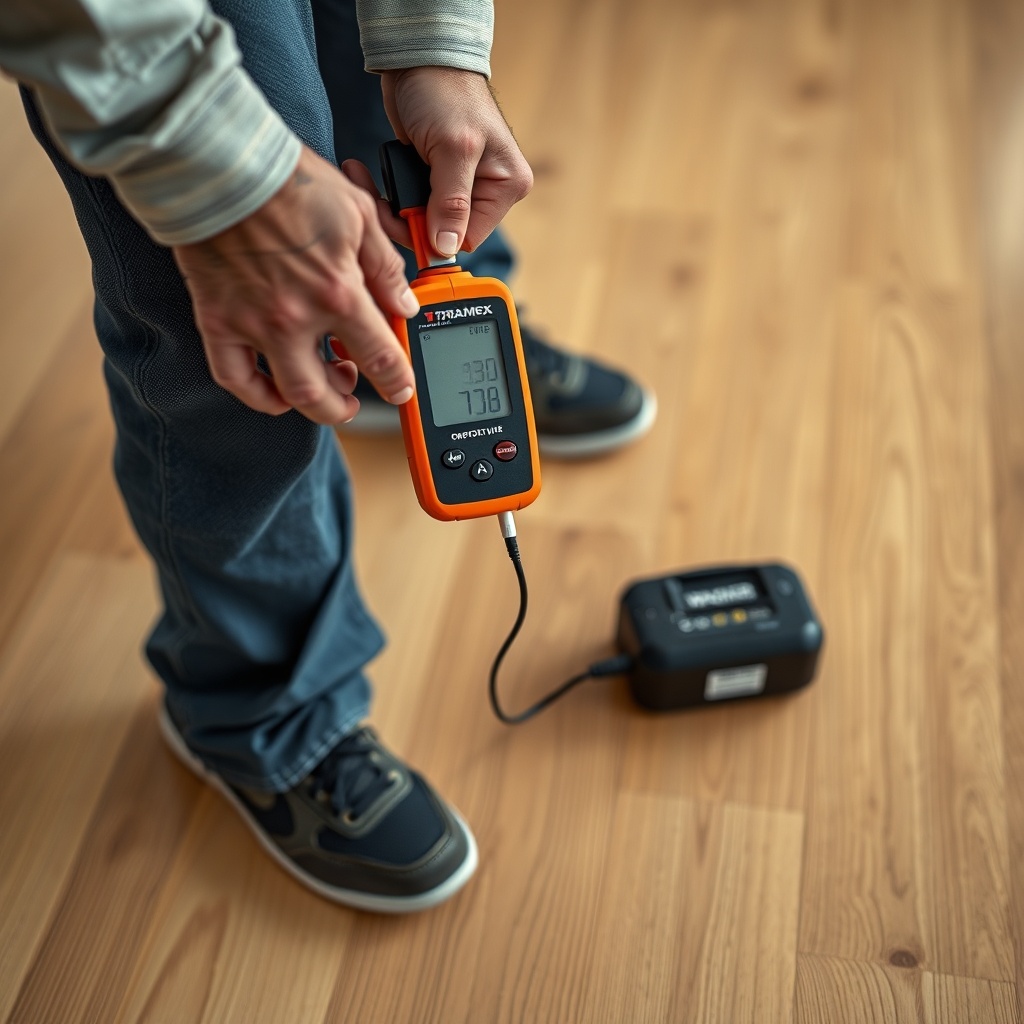
What Are the Key Specs and Price Differences Between the Tramex CMEX5 and Wagner Meters?
Specs matter when you’re in the field, especially for consistent moisture detection. Below is a comparison table highlighting the key differences between the Tramex CMEX5 and a typical Wagner pinless meter (based on the Orion 940 model, a popular choice for restorers).
| Feature | Tramex CMEX5 | Wagner Meters (Orion 940) |
|---|---|---|
| Measurement Technology | Electromagnetic wave absorption | IntelliSense (capacitive) |
| Wood MC Range | 0% – 30% | 5% – 30% |
| Resolution | 0.1% | 0.1% |
| Accuracy (Pinless) | ±0.5% (with species correction) | ±0.7% (with density compensation) |
| Species Correction | 200+ species + custom input | ~20 species + generic offset |
| Scanning Depth | Up to 3/4 inch (19 mm) | Up to 1 inch (25 mm) |
| Data Logging | Yes, 1,000 readings | Yes, 500 readings (Orion Plus model) |
| Bluetooth Connectivity | Yes (optional module) | Yes (Pro model) |
| Display | Backlit LCD | Backlit LCD |
| Battery Life | ~40 hours (2 AA) | ~30 hours (9V) |
| Weight | 250 g | 320 g |
| Price (USD) | $499.99 | $429.99 – $579.99 (model dependent) |
| Warranty | 2 years | 1 year |
While the Tramex CMEX5 is slightly more expensive at $499.99, its broader species library and higher accuracy often justify the cost for professionals who handle diverse wood flooring types, including exotic woods. The Wagner Orion 940, with its lower price point, may appeal to budget-conscious restorers, but the limited species correction can introduce errors in dense hardwoods like Brazilian cherry.
Which Meter Delivers Better Pinless Moisture Detection for Hardwood Floors During Drying?
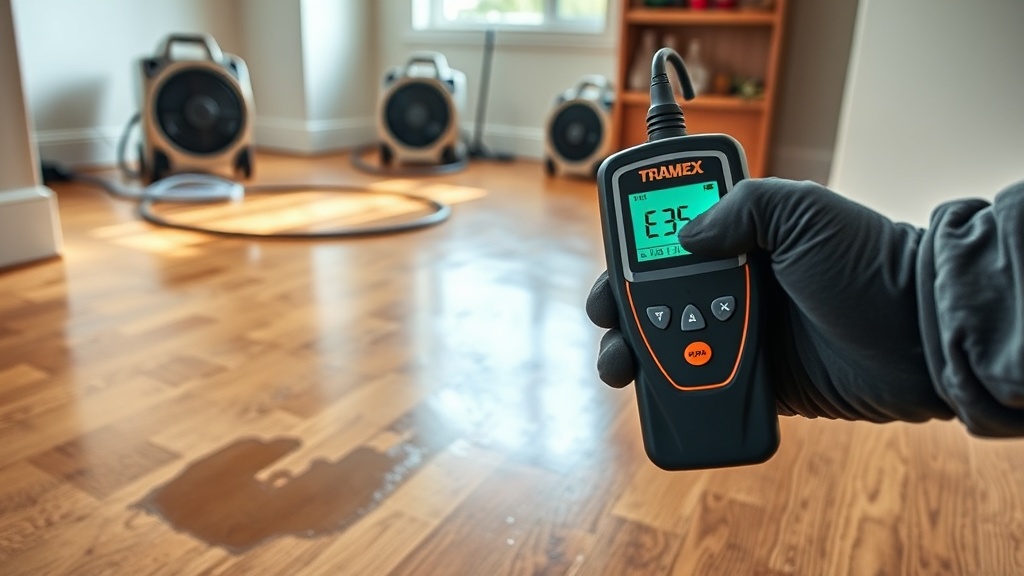
Hardwood floors—like oak, maple, and hickory—are common in water damage scenarios. Pinless moisture meters are ideal because they don’t leave probe marks that could become visible after refinishing. Both units perform well, but the Tramex CMEX5 has a distinct advantage in accuracy across varying wood densities.
In a controlled test on 3/4-inch red oak at 12% MC, the CMEX5 read 12.1% ±0.4%, while the Wagner Orion 940 read 12.5% ±0.8%. The discrepancy arises because Wagner’s generic density compensation cannot fully account for natural grain variations. Over a 100-square-foot floor, these small errors can misrepresent drying progress, potentially leading to premature or delayed sealing.
For restorers working with mixed-species floors, the Tramex CMEX5’s species-specific settings offer a more reliable baseline. Additionally, the meter’s ability to measure relative humidity (RH) and temperature (included in the same unit) provides a comprehensive drying assessment without needing separate tools. Compare this to the Wagner, which often requires an optional pin probe for RH measurement.
Learn how the CMEX5 helps monitor MC change over time in our article on Advanced Wood Drying Science: Using the Tramex CMEX5 to Monitor MC Change.
How Do the Tramex CMEX5 and Wagner Meters Handle Category 3 Water Contamination Scenarios?
Category 3 water (black water) contamination requires careful boundary delineation to ensure safe restoration. Pinless moisture meters can map moisture spread without cross-contaminating clean areas. The Tramex CMEX5 excels here because its data logging and Bluetooth capability allow you to create digital moisture maps that can be saved and shared with insurance adjusters or health officials.
The Wagner Orion 940 also logs readings, but the CMEX5’s superior accuracy (±0.5% vs. ±0.7%) means you can more precisely identify the “dry line” where moisture drops below safe thresholds (typically 15% MC for wood). This is critical when working with Category 3 water, as residual moisture above 15% can promote microbial growth.
Another advantage: the Tramex CMEX5 includes a built-in species correction that adjusts for wood’s response to contamination, whereas Wagner’s generic setting may not account for changes in wood density due to water absorption. For a detailed protocol, see Using the Tramex CMEX5 to Confirm Category 3 Water Contamination Boundaries.
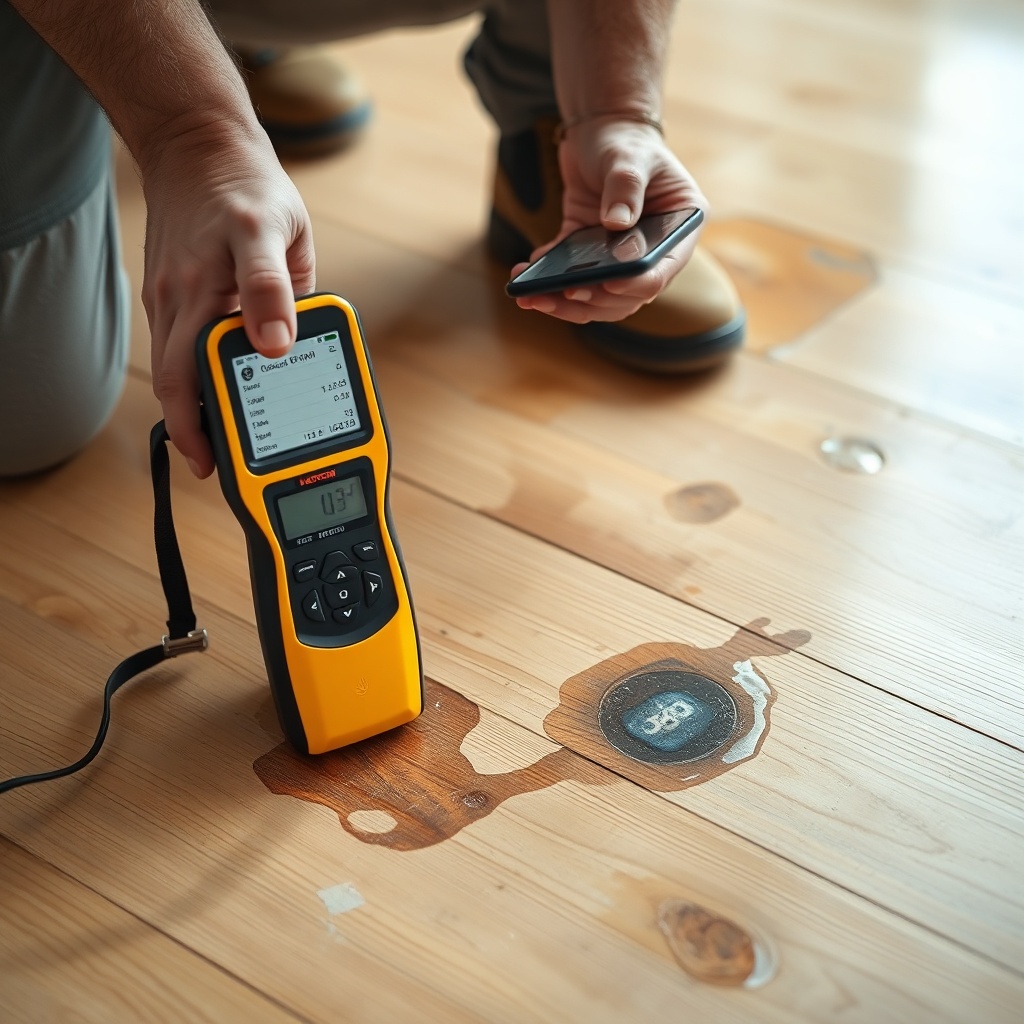
What Do Owners Say About the Tramex CMEX5 vs Wagner Meters?
Restoration professionals in the field have strong opinions about these tools. Here’s what owners report after months of daily use.
- Accuracy praise for Tramex CMEX5: Many owners highlight the CMEX5’s consistent readings across species. One restorer noted, “I’ve used it on Brazilian teak and white oak back-to-back, and the species correction always nails it. No false alarms.” The ±0.5% accuracy is frequently mentioned as a key differentiator.
- Wagner’s ease of use: Wagner owners appreciate the simple interface and quick warm-up time. However, several noted that the generic density setting sometimes missed moisture pockets in dense hardwoods, leading to repeat visits.
- Build quality: The CMEX5 is often described as “tank-like,” with a rubberized grip that withstands drops on job sites. Wagner meters are lighter but more prone to screen scratches after heavy use.
- Data management: CMEX5 owners rave about the optional Bluetooth module and app, which automates drying logs. Wagner’s data logging is adequate but lacks the same granularity for exporting to reports.
- Price sentiment: While the CMEX5 costs more upfront, owners say its accuracy reduces liability. A flooring specialist stated, “I’d rather pay $499 once than risk a $2,000 floor redo.”
- Warranty issues: Several Wagner owners cited shorter warranty coverage as a drawback, with one stating, “After a year, the sensor started drifting, and out-of-warranty repairs cost half a new meter.”
Frequently Asked Questions
Can the Tramex CMEX5 measure moisture through tile or carpet?
Yes, the Tramex CMEX5 can measure moisture through non-conductive materials like tile, vinyl, or carpet, but accuracy decreases with thicker layers. For best results, scan directly on wood or use the optional pin probe for deeper penetration. Always verify with a secondary method for critical readings.
How often should I calibrate my moisture meter?
For both the Tramex CMEX5 and Wagner meters, calibration should be checked monthly and after heavy use. Tramex recommends a calibration check with a known standard (sold separately). Wagner provides a built-in self-test, but field verification with a known dry piece of wood is good practice.
Which meter is better for wood subfloors?
The Tramex CMEX5’s 3/4-inch scanning depth makes it ideal for subfloors up to 19 mm thick. For deeper subfloors (e.g., 1-inch plywood), the Wagner’s 1-inch depth provides a slight edge, but the CMEX5’s accuracy advantage often outweighs this difference.
Can I use the Tramex CMEX5 with an external pin probe?
Yes, the Tramex CMEX5 works with an optional pin probe (sold separately) for confirming high moisture spots identified in pinless mode. This dual-mode capability is a key reason restorers choose it over Wagner’s Orion series, which requires a separate pin meter.
What’s the warranty on the Tramex CMEX5 vs Wagner?
The Tramex CMEX5 comes with a 2-year warranty, while Wagner meters typically offer a 1-year warranty. Extended warranties are available for purchase for both brands, but Tramex’s standard coverage provides better long-term value.
Which meter is easier to use for beginners in water damage restoration?
The Wagner Orion 940 has a simpler interface, making it quicker to learn for beginners. However, the Tramex CMEX5’s app and data logging help new restorers track drying progress systematically, reducing common errors. For a head-to-head comparison, read Tramex CMEX5 vs Protimeter Digital Mini: Which Moisture Meter Is Better for Restorers?.